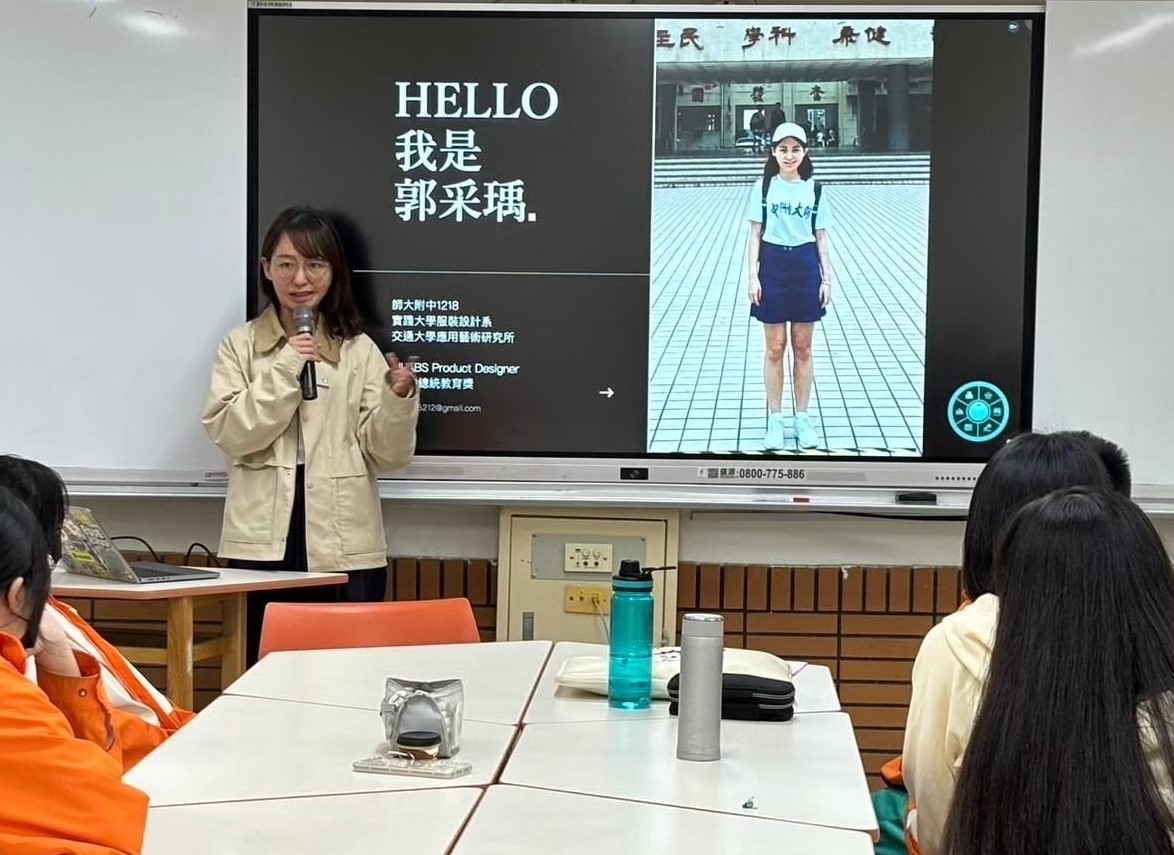
Country spotlight: Face equality in Taiwan
We’re proud to have worked so closely with the Sunshine Social Welfare Foundation, Taiwan, as Founder Members of Face Equality International and one of the first countries in the world to put on their own face equality event! Here, Sunshine share with us some of the challenges facing people with facial differences in Taiwan and how they are working hard to address them. We also share some pro bono research by our partners at the international law firm Reed Smith and their colleagues in the legal teams at Amazon UK , investigating the legal protections available to people with facial differences in Taiwan.
What is it like to live with a facial difference in Taiwan?
There are many challenges facing people with facial differences in Taiwan, such as:
- Accessing healthcare:
Taiwan has a universal healthcare system with national health insurance. But this does not always help people with facial differences. Often this is because the medical resources dedicated to treat the many conditions causing facial differences are limited. In addition, treatments for some conditions (such as laser treatment for haemangioma) are often classified as “cosmetic interventions” and are not covered by the national health insurance. And significant disparities in healthcare resources between urban and rural areas in Taiwan means that people with some conditions (such as vascular tumours, melanocytic nevi, or neurofibromatosis) often have to travel long distances across regions to seek treatment, with limited options for specialist care. - Getting Education:
Systemic and social barriers may inhibit the educational opportunities available to students with facial differences. Many young people with facial differences in Taiwan face stigma, teasing, social exclusion and – in some cases – bullying. There are also instances where teachers themselves restrict the participation of children with facial differences – for example, an art teacher once stopped a student with a vascular tumour on their face from using scissors for art projects, citing safety concerns. - Finding Employment:
Finding a job can be difficult for people with facial disfigurements in Taiwan, often due to poor treatment at interview. Additionally, people with facial differences are often restricted to roles that do not require customer interaction or social engagement, such as warehouse management, rather than positions like front desk or sales staff. Workplace interactions can also be affected, due to biased expectations and misconceptions stemming from appearance judgments.
What about terminology?
The government classifications of disability in Taiwan use the terminology of ‘facial disfigurement’. However, some people within the community prefer to talk about ‘facial difference’.
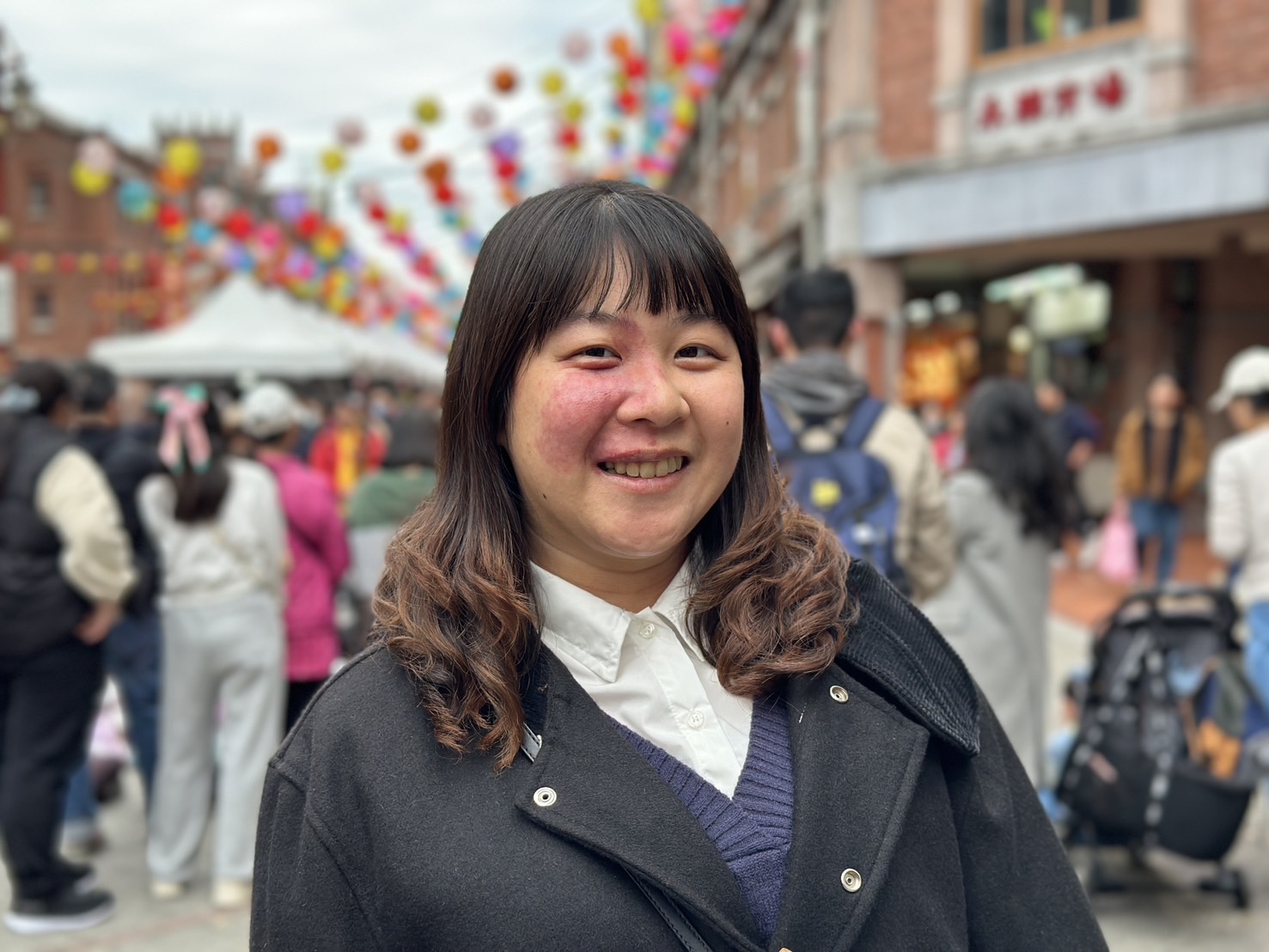
Case study: face equality advocates in Taiwan
Hsiao-Chian
Hsiao-Chian was born with a port-wine stain covering her nose, both cheeks, lips, and even the inside of her mouth. Due to a lack of specialized doctors and treatment facilities in her local hospital, she was misdiagnosed until the condition worsened at age 7. She then traveled five hours to a major hospital in another county, where she began laser treatments every two months. Each session required over two weeks of recovery from skin ulcers. However, her treatment was interrupted at 18 when her doctor left, leading to gum overgrowth, misaligned teeth, and difficulty biting, necessitating orthodontic treatment a few years later.
Hsiao-Chian was not able to get treatment under the national health system because Taiwan’s National Health Insurance rules classified laser therapy as a cosmetic intervention. Each session cost NT$10,000–20,000, posing a significant financial burden on her family. Sunshine provided subsidies for medical and transportation expenses, helping Hsiao-Chian get the treatment she needed.
Growing up with a visible facial difference, Hsiao-Chian faced constant stares, teasing, and exclusion at school. These experiences made her deeply self-conscious and hesitant to stand up for herself. Her mother actively involved her in activities organized by Sunshine. Through these events, Hsiao-Chian learned coping strategies and interacted with other burn survivors and people with facial disfigurements. Gradually, she built confidence and courage. By high school, she responded for the first time to classmates mocking her appearance, marking a turning point. She also began volunteering with Sunshine, sharing her experiences and advocating for others.
While Hsiao-Chian found a job in the food industry based on her qualifications, she still encountered prejudice. When she resigned from her job to pursue other career development opportunities, her supervisor tried to retain her—not for her skills but to fulfill the company’s quota for employing people with disabilities. This disregard for her abilities deeply disappointed her.
Hsiao-Chian credits Sunshine’s scholarship programme for helping her grow. Through discussions with social workers, she learned to reflect on her experiences and gained the confidence to speak publicly. This helped her become a vocal advocate for people with visible differences, and a key member of the Sunshine Advocacy Learning Group where she shares her expertise with others.
Her talent for advocacy became evident during a 2024 trip to Penghu Island. She noticed that the discounted disability ferry ticket bore the label “handicapped,”1 which she found discriminatory. She discussed this with the Sunshine Advocacy Learning Group, and wrote a thoughtful letter to the ferry company, expressing gratitude for their services but highlighting how such labels fail to respect individual dignity or meet modern human rights standards. Her advocacy resulted in a positive response and changes to the company’s practices. This experience has deepened Hsiao-Chian’s understanding of rights issues, empowered her to voice her ideas, and supported her personal growth.
Case study: face equality advocates in Taiwan
Tsai-Yu
At the age of nine, Tsai-Yu suffered burns on 80% of her body, including her face, due to an essential oil diffuser accident at home. The incident also caused inhalation injuries that led to lifelong complications, including limited breathing capacity and vocal issues requiring multiple surgeries. After a month of acute care and over three years of rehabilitation, Tsai-Yu gradually regained functionality. Despite enduring long-term challenges, such as difficulty with strenuous activities and recurrent voice loss, Tsai-Yu and her family bravely advocated for safety regulations on essential oil products with the support of Sunshine, leading to government action.
Returning to school, Tsai-Yu faced bullying and alienation due to her appearance. With the Foundation’s intervention, awareness campaigns helped her classmates better understand burn injuries and how to interact compassionately. However, stigma persisted, extending to her job search.
Despite Tsai-Yu’s talent for fashion design, she was rejected due to her appearance, with employers doubting her suitability for customer-facing roles. Tsai-Yu channeled her frustrations into advocacy, becoming a spokesperson for face equality. Her advocacy for photo-free resumes led to changes in Taiwan’s public-sector hiring practices, creating important real-world impact.
Tsai-Yu’s advocacy work expanded as she became an ambassador for the Foundation’s “Face Equality” initiatives, raising awareness in schools and workplaces. She is also a key member of the Sunshine Advocacy Learning Group. She also joined the Ministry of Health and Welfare’s disability rights task force, representing individuals with facial differences and contributing to policy development. Her journey transformed over time; initially focused on recounting personal discrimination experiences, she now integrates her design expertise into her advocacy, fostering dialogue and mutual understanding.
How does Sunshine campaign for face equality?
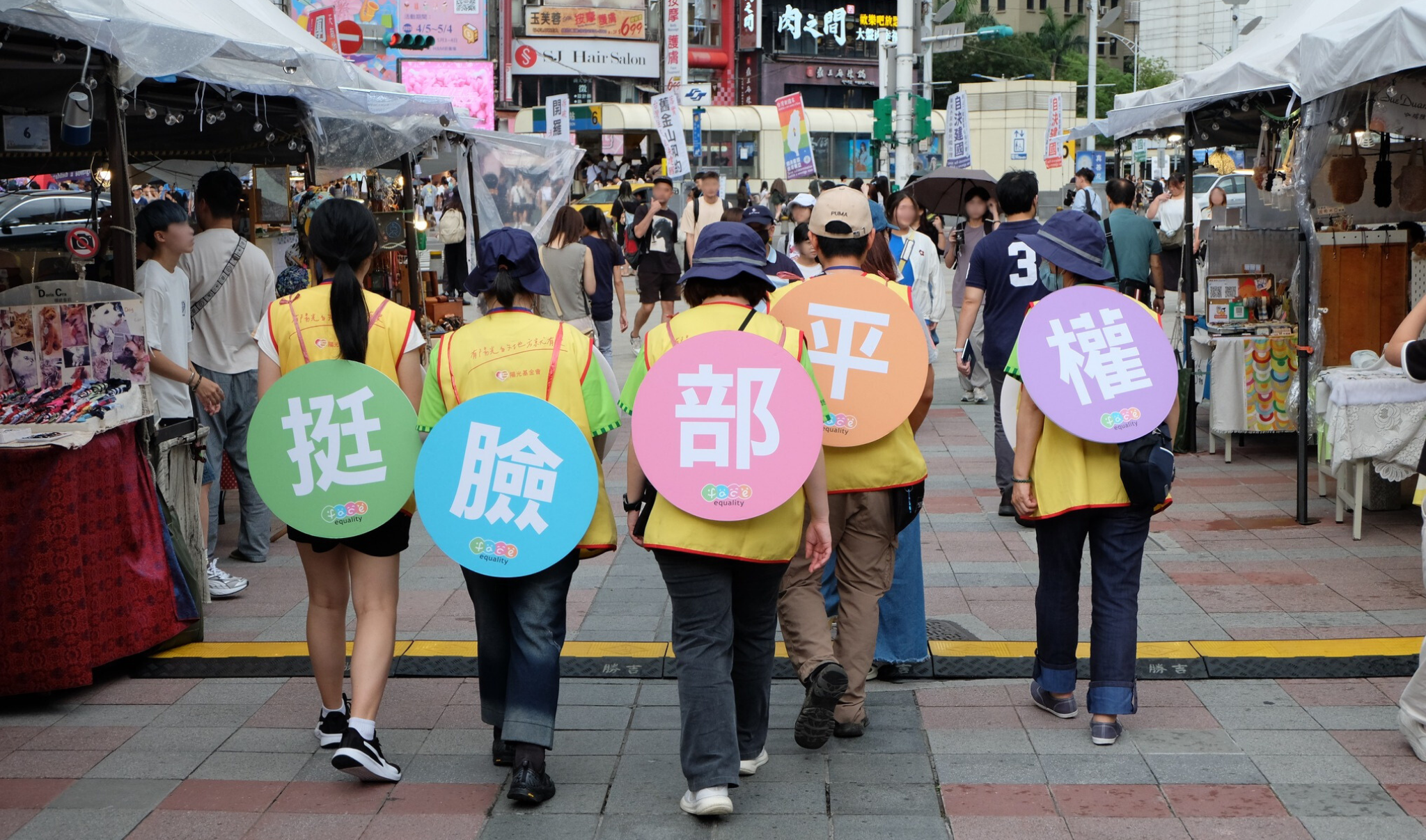
Sunshine has been providing services to burn survivors and people with facial disfigurements in Taiwan since 1981. Thanks to a multi-disciplinary team of social workers, occupational and physical therapists, psychological counsellors, vocational counsellors and social educators based across Taiwan, they help clients deal with the physical and psychosocial impact of living with a visible difference, delivering services in community-based settings. In addition, Sunshine lead ground-breaking work to change society through campaigns in schools and communities, in the media and on the internet to enhance public understanding of people with facial disfigurement, and to challenge appearance-based stereotypes and discrimination through the promotion of Face Equality.
The Sunshine Advocacy Learning Group is at the heart of this campaign work. The group embodies the UN’s principle of “Nothing about us, without us,” aiming to empower and amplify the voices of those affected by facial disfigurements in policy development and advocacy efforts. By combining knowledge of relevant legal instruments with lived experience, the group
addresses gaps in policies, culture, and systems and applies actionable strategies for advocacy. Examples of recent campaign highlights include:
- an oral cancer survivor’s experience with a breathalyzer test during a police check led to an advocacy campaign about how such situations should be handled by the authorities.
- the group highlighted inappropriate, disparaging comments made by a judge about a student’s appearance during a speech contest.
- in 2024, the group collaborated to create the Facial Equality in the Workplace Guide, offering practical steps for businesses to foster inclusivity for individuals with facial differences. This video is one part of that project.
Read more about Sunshine’s work here.
What rights do the facial difference community in Taiwan have?*
In Taiwan, people with facial disfigurements have some legal protection against discrimination if they are disabled people, to ensure equal treatment and opportunities in various aspects of life, including employment, education, and public services.
Taiwan’s legal definition of disability is found in Article 5 of the People with Disabilities Rights Protection Act (the “Act”). It sets out eight categories of disability. A person is considered to have a disability if they are limited or restricted from engagement in ordinary living activities and from society as a result of having one or more of the following disabilities:
1. Mental Functions & Structures of the Nervous System;
2. Sensory Functions & Pain The Eye, Ear and Related Structures;
3. Functions & Structures of/involved in Voice and Speech;
4. Functions & Structures of/related to the Cardiovascular, Haematological, Immunological and Respiratory Systems;
5. Functions & Structures of/related to the Digestive, Metabolic and Endocrine Systems;
6. Functions & Structures of/related to the Genitourinary and Reproductive Systems;
7. Neuromusculoskeletal and Movement related Functions & Structures;
8. Functions & Related Structures of the Skin.
People with facial disfigurement might, in principle, be protected under category 8 – however they have to undergo an evaluation to determine if they are classed as disabled. In Taiwan, the categorization of disability is determined by the Ministry of Health and Welfare through its disability evaluation system. The process involves medical assessments and evaluations conducted by designated hospitals and institutions to determine the type and degree of an individual’s disability. The evaluation process considers various factors, including physical, mental, intellectual, and sensory impairments, as well as the impact of these impairments on an individual’s daily life activities and social participation.
Once an individual is evaluated and determined to have a disability, they are issued a disability certification card, which grants them access to various rights, services, and benefits provided by the government which cover 6 areas: medical rights, educational rights, employment rights, supportive services, economic protection, and protective services.
If a person with facial disfigurement does not pass the evaluation of disability status, they would not be granted the protection afforded under these rights.
Taiwan is not eligible to become a State Party to the major human rights treaties as it is not a member State of the United Nations. Nonetheless, the government has given effect to international human rights treaties through its domestic legislation. In 2014, the Convention on the Rights of Disabled Persons Implementation Law (“Implementation Law”) was passed and Article 2 provides that the provisions of the United Nations’ Convention on the Rights of Persons with Disabilities “shall have domestic legal status”.
There are various channels for the government and society as a whole to monitor the effectiveness of disability-related laws and regulations and to improve the existing protections by amending the laws or strengthening implementation at the grassroots level. But concerns have been raised about gaps and shortfalls in Taiwan’s laws and proposals have been made to amend the laws.
Are these rights effective?
Despite these laws, in Sunshine’s experience, many people with facial differences do not qualify for disability status in Taiwan. Taiwan officially began applying the International Classification of Functioning, Disability, and Health (ICF) framework to the certification of disability status in 2012. This marked a significant shift from a purely medical-based model (focused on body function and structure) to a biopsychosocial model, which considers not only medical conditions but also activity limitations, participation restrictions, and environmental factors. This should have benefited people with facial differences. But individuals with facial disfigurements often fail to advance to the next stage of evaluation due to the overly strict standards for showing “body function and structure.” This prevents the challenges they face, such as discrimination or stigma encountered in social participation, from being accurately reflected.
Sunshine note that the right to education and the right to employment are guaranteed through other laws, so even if people with a visible difference do not have a disability certificate, other laws protect their rights in some respects.
Where can I find out more?
- Media discrimination complaint channel:
The Satellite Broadcasting and Television Industry Association of the Republic of China “News Program and Advertising Related Feedback”
- If a person with disability requests reasonable accommodations but is rejected, they can file a complaint:
- Step 1: File an internal complaint or formal grievance with the responsible party (such as the human resources department or school).
- Step 2: File a petition or appeal to the relevant government authority at the local government level.
- Step 3: File a lawsuit in court (administrative litigation or civil litigation, etc.).
- If a person with a disability has made a request to the responsible authority and their rights are still not addressed, they can file a complaint with the National Human Rights Commission.
The National Human Rights Commission has compiled a “Reference Guide for Reasonable Accommodation for Persons with Disabilities”
Sunshine’s “Face Equality Reporting Platform” accepts complaints from individuals with facial disfigurements who face discrimination: